One of the hardest truths people encounter on a healing journey is this: healing does not follow urgency. We live in a culture built on deadlines, timelines, and measurable progress. When something is wrong, we want it fixed—quickly, efficiently, predictably. That mindset works well for machines. The body is not a machine. Healing unfolds in rhythms, not schedules. And when pressure is applied—internally or externally—the body often slows down instead of speeding up. I have seen this repeatedly.
The more desperate someone becomes for results, the tighter their system grows. The more they watch the calendar, count the days, and compare themselves to others, the more their nervous system stays activated. And an activated system does not repair well.
Pressure feels like threat to the body. Even when that pressure comes from hope, fear, or good intentions, the message is the same: You are not okay as you are right now. The body hears that.
Healing requires a very different message: You are allowed to take the time you need.
This is where many people struggle. They are not just healing from illness—they are healing inside systems that do not allow slowness. Jobs, families, finances, doctors, and even well-meaning friends can unintentionally apply pressure.
- “How long will this take?”
- “Aren’t you better yet?”
- “You were doing so well—what happened?”
Each question reinforces the idea that healing should be linear and fast. It rarely is.
Healing often happens in layers. The body addresses what it can safely handle first. Sometimes symptoms shift, disappear, return, and then change again. That does not mean failure. It means recalibration.
I often remind people: progress is not always visible while it is happening.
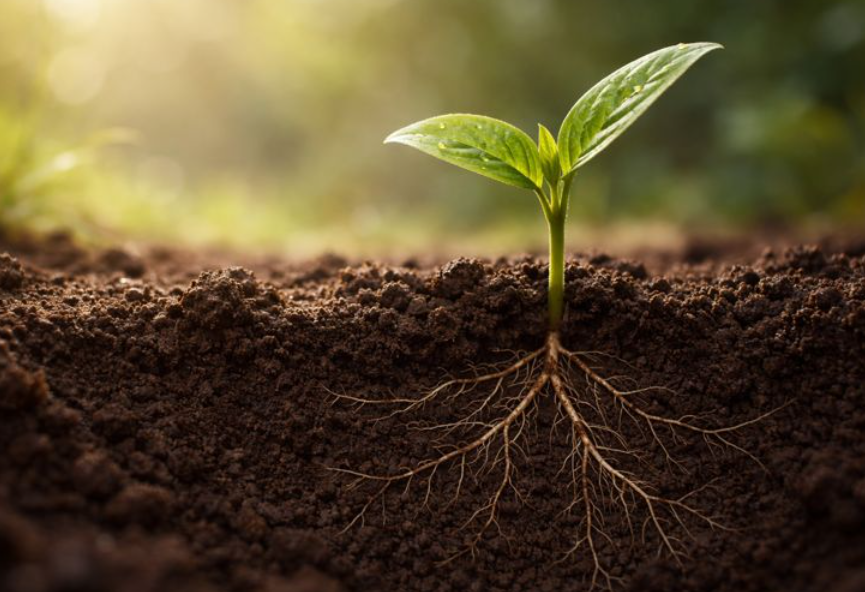
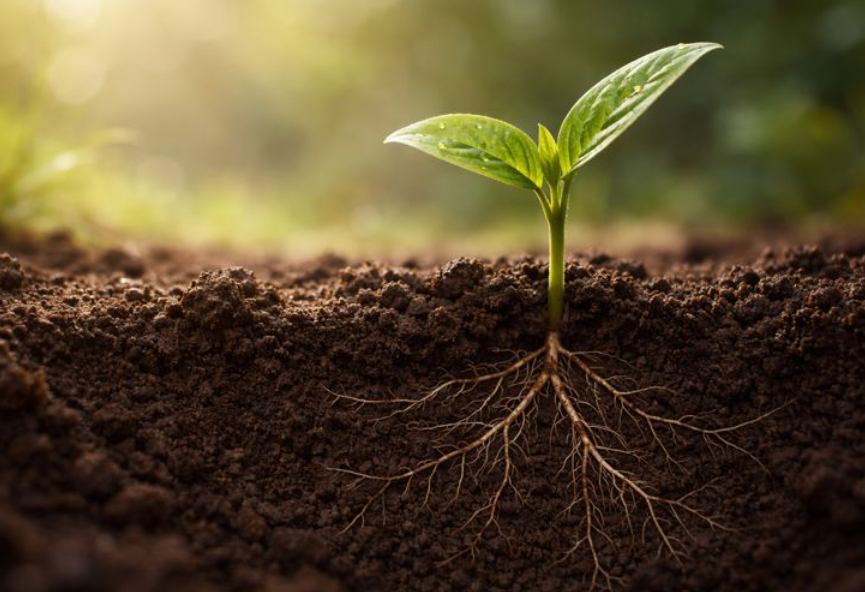
Just as roots grow underground before a plant emerges, much of healing occurs out of sight. Cellular repair, nervous system regulation, immune recalibration—these processes are quiet and slow by nature. Trying to rush them is like pulling on a sprout to make it grow faster.
Trust is a biological requirement, not just an emotional one.
When someone relaxes their timeline—even slightly—the body often responds by releasing tension. That release frees energy. That energy supports repair.
I have watched people improve after they stopped asking, “Why isn’t this done yet?” and started asking, “What is my body ready for now?” Those are very different questions. One demands performance. The other invites cooperation.
This does not mean doing nothing. It means doing what is appropriate for the phase you are in—without forcing the next phase to arrive early.
Healing does not respond to threats, ultimatums, or comparisons. It responds to patience, consistency, and safety.
Your body has lived inside you your entire life. It carries every experience, every adaptation, every survival strategy that kept you alive. It is not careless with repair.
- When it slows down, there is a reason.
- When it pauses, there is intelligence behind it.
- When it asks for time, it is protecting the process.
I know how difficult it is to live inside uncertainty. To want relief now. To feel like your life is on hold. But healing is not a race you win by pushing harder. It is a relationship you build by listening longer.
If your body has not arrived where you hoped it would be yet, that does not mean it won’t. It means it is still working.
Give it the one thing pressure never allows: time.
Healing does not obey force. It responds to trust. And when trust replaces urgency, the body often moves forward in ways that feel almost effortless—right on its own timing.
Leave a Reply