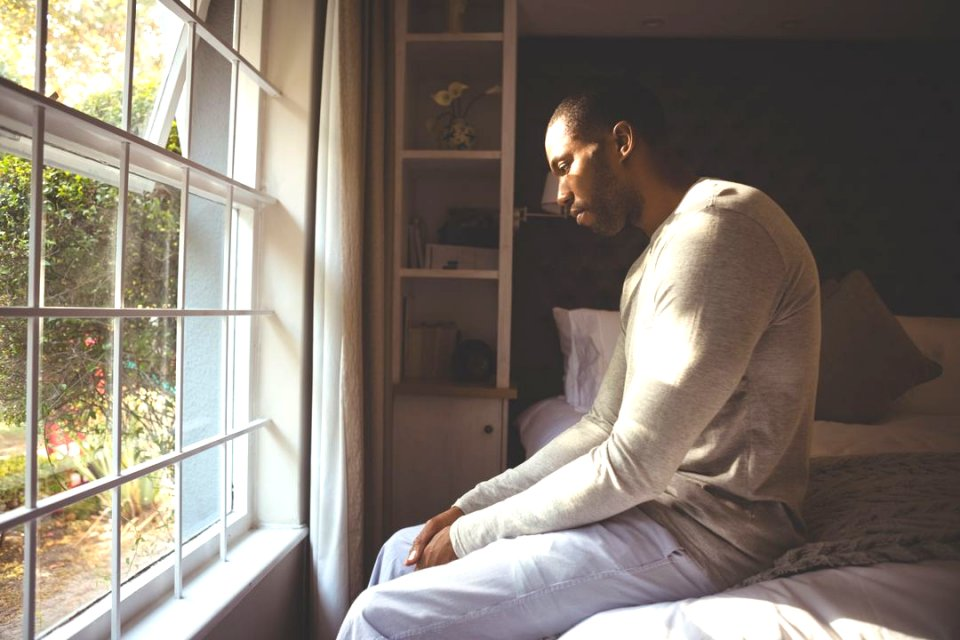
One of the least talked-about parts of healing is the loneliness that can come with it. Not the dramatic kind. The quiet kind. The kind that settles in when your life no longer looks like it used to—and no longer fits neatly into other people’s expectations. Many people assume healing will feel hopeful and supported at every step. Sometimes it does. But often, there is a stretch where healing feels isolating, even when you are surrounded by people. This can be deeply unsettling.
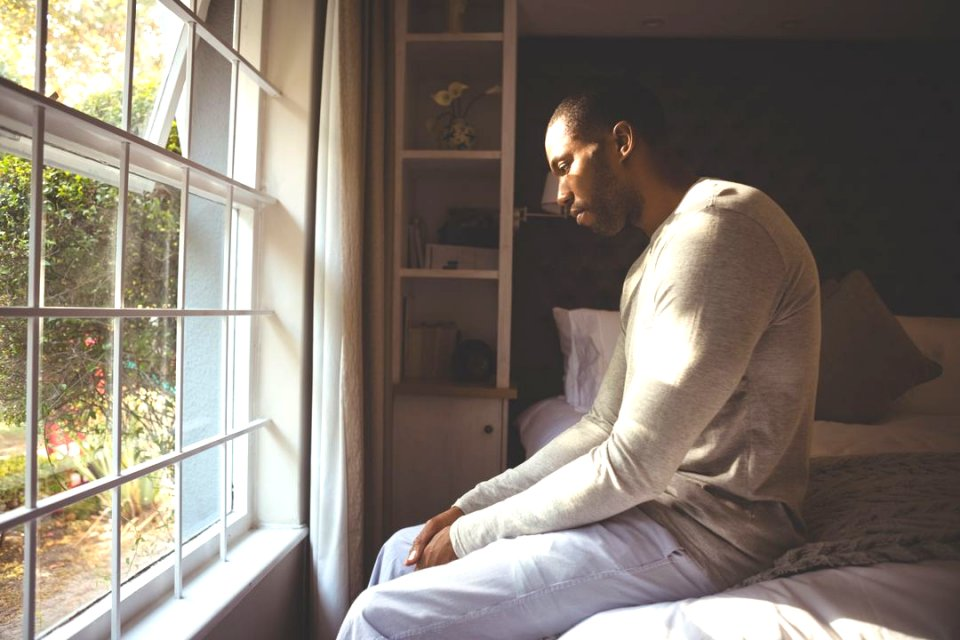
Friends may not understand why you’ve changed.
Family may grow impatient with your pace.
Conversations start to feel shallow or exhausting.
You may find yourself pulling back—not because you don’t care, but because you don’t have the energy to explain yourself anymore.
That doesn’t mean you are failing.
It often means you are in a transition.
Healing changes priorities. It changes tolerance levels. It changes what the body and mind can handle. And during those changes, familiar connections may no longer feel aligned in the same way.
That can be painful.
I want to say something important: loneliness during healing is not a sign that you are broken or doing something wrong. It is often a sign that old patterns are loosening before new ones are ready to form.
This in-between space is uncomfortable.
You are no longer who you were, but you are not yet who you are becoming.
In that space, solitude can feel heavier than usual. But solitude is not always abandonment. Sometimes it is incubation.
The body and nervous system do a great deal of recalibration in quiet. Fewer inputs. Less performance. Less explanation. This can feel like being cut off—but it is often a form of conservation.
Still, that doesn’t make it easy.
Many people feel guilt for needing more alone time. They worry they are withdrawing or becoming distant. In truth, they may simply be honoring what their system can tolerate right now.
There is a difference between isolation and intentional solitude.
Isolation feels unsafe.
Solitude can feel protective—even if it is tender.
If you are in a season where you feel unseen or alone, please hear this: healing does not always come with applause or companionship. Sometimes it comes with quiet clarity. With long pauses. With fewer voices.
That does not mean you are meant to stay there forever.
New connections often arrive after old ones fall away. But there is often a gap in between. A stillness where the body is learning who it is without constant adaptation.
That stillness matters.
I have watched people rush to fill loneliness with distraction, noise, or relationships that require them to abandon their boundaries. That rarely supports healing.
Sometimes the most loving thing you can do is allow the quiet—without judging it, and without assuming it means something is wrong.
Healing can feel lonely because it is deeply personal. No one else can feel what your body feels or make choices on your behalf.
But loneliness does not mean you are alone in the larger sense.
It means you are walking a path that is yours.
And while that path may feel quiet right now, it is not empty.
It is preparing you—for connection that fits the person you are becoming, not the person you had to be to survive.
Healing may feel lonely at times.
But loneliness is not failure.
It is often the space where something new is quietly taking shape.
Leave a Reply