If I could sit across from every mother who is just beginning this journey, I wouldn’t start with protocols, diagnoses, or research papers. I would start with this: You are not naïve. You are not overreacting. And you are not imagining what you are seeing. When a child becomes sick—whether suddenly or gradually—mothers almost always know before anyone else does. They notice the subtle shifts. The changes in sleep. The loss of eye contact. The digestive problems that won’t resolve. The irritability that feels out of character. The way their child’s spark seems dimmer than it was before. And yet, so many mothers are taught to doubt themselves. They are told to wait. They are told it’s normal. They are told not to worry so much.
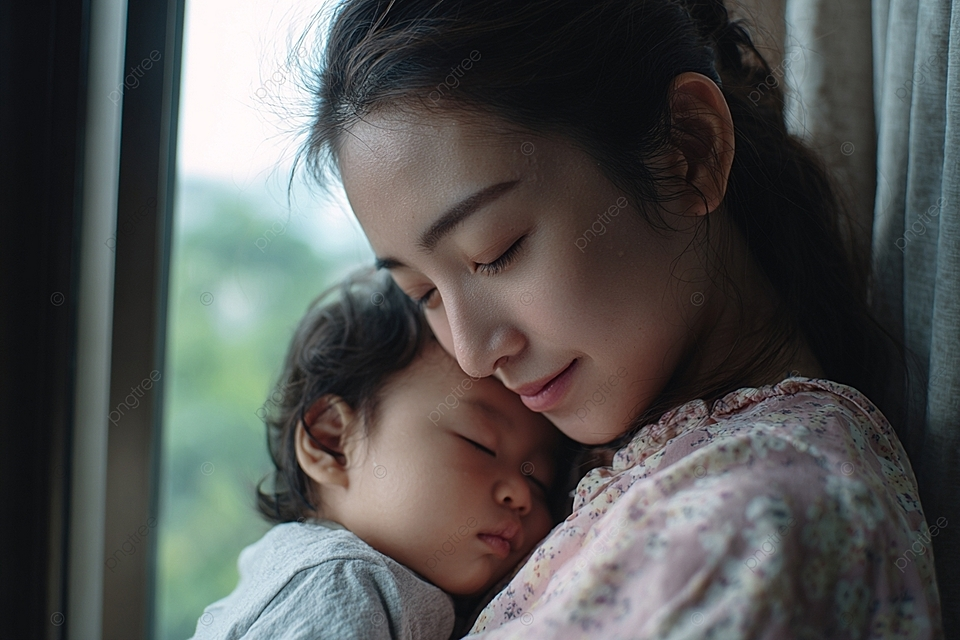
What I wish every mother knew is that early dismissal can be more dangerous than early concern.
Many mothers sense that something is wrong long before there is a name for it. But because they want to be cooperative, trusting, and reasonable, they often override their instincts. They wait. They comply. They hope it will pass.
Sometimes it does.
But sometimes, waiting allows deeper injury to take hold.
I wish mothers knew that asking questions is not an act of rebellion. It is an act of protection. A developing child does not have the reserves an adult has. Their immune system, nervous system, and detox pathways are still forming. What overwhelms them can look very different than what overwhelms us.
I also wish mothers knew that not all harm is immediate or dramatic. Some of the most significant injuries happen quietly—through accumulation, immune stress, inflammation, or repeated overload that the body cannot clear.
When symptoms don’t fit neatly into a single diagnosis, mothers are often made to feel foolish. But children are not systems with one malfunction at a time. They are whole, integrated beings. When something disrupts one system, others respond.
I wish mothers were told that regression is not “just a phase” when it follows a clear trigger. That chronic illness in children is not rare because parents are suddenly more anxious—but because children are facing exposures previous generations did not.
Most of all, I wish mothers knew that they do not need permission to advocate.
You do not need a diagnosis to ask for help.
You do not need consensus to trust your observations.
You do not need approval to protect your child.
Advocacy does not mean hostility. It means persistence. It means documenting changes. It means seeking second opinions. It means learning, even when learning is exhausting.
I have watched mothers blame themselves for years—thinking they missed something, didn’t do enough, or did something wrong. That guilt is heavy, and it is unnecessary.
The truth is, many mothers were doing the best they could with the information they were given—and the information they were given was incomplete.
If your child is sick, struggling, or not the same as they once were, please hear this:
Your love is not the problem.
Your vigilance is not the problem.
Your questions are not the problem.
The problem is a system that too often teaches mothers to be quiet instead of curious.
I wish every mother knew that her role is not to be agreeable—it is to be attentive. Not to be compliant—but to be present.
Children do not need perfect parents.
They need parents who listen.
And when mothers listen to their children—even when no one else will—healing has a place to begin.
Leave a Reply