There are some conversations that change you—not because they are dramatic, but because they are unmistakably sincere. Listening to people who have had near-death experiences is one of those conversations. These are not people trying to persuade. Most of them never intended to speak publicly at all. Many were reluctant, even afraid, to share what happened to them—because what they experienced didn’t fit neatly into theology, medicine, or language. But once they speak, a pattern emerges.
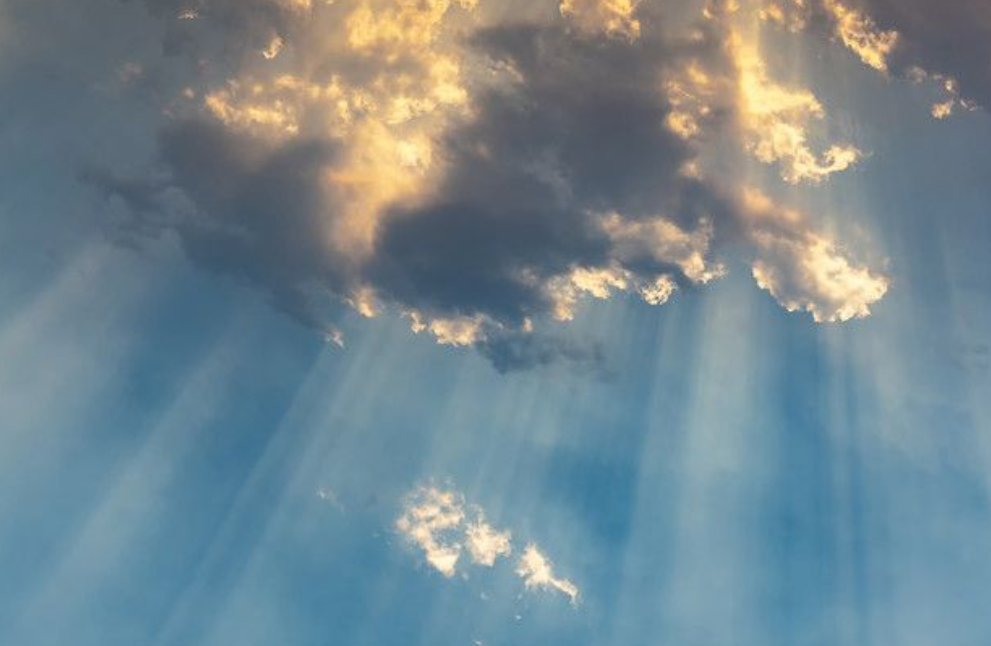
Again and again, people describe crossing a threshold—not into darkness, but into clarity. Not into judgment, but into overwhelming peace. Not into fear, but into a sense of being known and loved completely.
What struck me most was not the imagery, which varies, but the effect these experiences had on people afterward.
They were no longer afraid of death.
And because of that, they were no longer afraid of life.
Many returned with a deep sense that the body is not the whole story. That illness, while real and painful, is not the final authority. That love, connection, and meaning extend beyond the physical moment.
This shift alone often changed how they healed.
Fear had been draining their strength.
Fear had kept their nervous systems locked in survival.
Fear had narrowed their sense of possibility.
When fear loosened its grip, something else took its place: trust.
People who had near-death experiences often described healing not as a battle, but as a cooperation. They listened to their bodies differently. They prayed differently—not from desperation, but from relationship. They stopped seeing illness as punishment and began seeing it as part of a larger story.
Not one of them described being condemned.
What they described instead was love without conditions.
That matters more than we realize.
When a person believes—truly believes—that they are not abandoned, that they are not disposable, that their suffering is not meaningless, the body often responds. Stress hormones drop. Hope becomes physiological, not just emotional.
Hope is not denial.
Hope is regulation.
Near-death experiences don’t give us a map of heaven. They give us a glimpse of perspective. They remind us that the story is larger than the diagnosis, the prognosis, or the fear that tightens around the heart when life feels fragile.
Many people came back with the same message, spoken in different words:
You are loved.
You are here for a reason.
This is not the end.
When people carry that knowing into illness, grief, or uncertainty, it changes how they walk through it. They are less frantic. Less panicked. Less alone.
Healing does not always mean cure.
But it often means peace returning to places fear once ruled.
Near-death experiences don’t remove pain from life. But they do something just as powerful—they remove the lie that pain is all there is.
And when that lie falls away, hope has room to breathe.
Hope doesn’t fix everything.
But it changes everything.
Leave a Reply