Growing Up Without God: How Silence About Spirit Shaped My Moral Compass
When I was a kid, I grew up in a community where God was never discussed. Not at the dinner table. Not at school. Not among friends. Heaven, the soul, morality tied to anything bigger than us—those topics simply didn’t exist. It wasn’t that people were openly hostile toward faith; it was more like spirituality had been quietly removed from the room. Most of the kids around me identified as atheists, even at a young age, because that was the cultural default. If no one talks about God, you don’t reject Him—you just never meet the idea.
Looking back, I see how formative that silence was. When there is no shared language around right and wrong that goes beyond convenience or consequence, kids are left to build their moral compass from peer behavior. And peers, especially teenagers, are not exactly known for wisdom. By the time I was around fourteen, two friends I spent a lot of time with were stealing regularly. Not once or twice, but often enough that it became part of their personality. Eventually, they got caught. I remember watching it all unfold and feeling something shift inside me—not judgment, but a quiet realization that this path led somewhere I did not want to go. I think part of my friends had nutritional deficiencies and today I would guide them and their parts to add minerals into their water here.
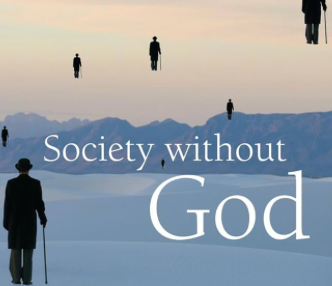
What’s striking is that the behavior didn’t stop there. Years later, in college, I personally witnessed one of those same friends stealing again. Older, smarter, still doing it. That moment stayed with me because it made something very clear: without an internal moral anchor, behavior doesn’t evolve—it just gets better at hiding. Somehow, despite the environment I grew up in, I never crossed that line. No one sat me down and lectured me about sin or ethics. I can’t point to a sermon or scripture that stopped me. I just knew—deep down—that stealing hollowed something out inside a person. SOME DO GROW UP WITHOUT GOD AS I DID AS IN THIS BOOK ON AMAZON HERE.
I think this is where something subtle but powerful comes in. Even in a culture that never discussed God, I sensed accountability beyond getting caught. I didn’t have words for it then, but I felt that certain actions changed who you become. And once you become someone who justifies small wrongs, bigger ones follow naturally. Watching friends rationalize theft made me aware of how quickly people normalize what once felt wrong, especially when no higher standard exists.
As an adult, I now see how unusual it was that I resisted that pressure. It wasn’t superiority; it was instinct. A refusal to numb myself. And over time, that instinct has guided me into deeper questions about meaning, responsibility, and growth—questions I now explore openly on my blog, Growth Factor, where I write about personal development, truth-seeking, and moral clarity in a confused world:
This story is part of a larger reflection I continue to share on my main site, where my personal history, health insights, and worldview intersect:
Growing up without God didn’t make me immoral—but it did show me how fragile morality becomes when it’s unspoken. Silence shapes behavior just as much as instruction does. And sometimes, the most important lessons are learned not from what we’re taught, but from what we quietly refuse to become.

Leave a Reply