Mold Illness in Kids and Adults: Symptoms and Healing
Why Mold Illness Is Often Missed
Mold illness is more common than most people realize. However, it rarely looks obvious at first. Instead, symptoms often appear slowly and affect multiple systems in the body.
According to content shared on the Instagram account endsickness, mold exposure can quietly impact the immune system, nervous system, and inflammation pathways.
Therefore, many families struggle for years without clear answers.
Mold grows in damp environments such as water-damaged homes. Once present, it releases tiny spores and toxins called mycotoxins into the air.
These toxins can affect both children and adults differently, depending on sensitivity and exposure.
Common Symptoms in Kids and Adults
Mold illness can affect nearly every part of the body. As a result, symptoms may seem unrelated at first.
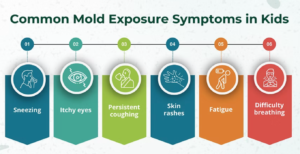
Common symptoms include:
-
Fatigue and low energy
-
Brain fog and poor concentration
-
Headaches and dizziness
-
Respiratory issues like coughing or wheezing
-
Skin irritation or rashes
-
Digestive problems
Many social posts and discussions, including those from endsickness, highlight symptoms such as fatigue, brain fog, and immune disruption as common signs.
Additionally, children may show:
-
Frequent infections
-
Behavioral changes
-
Trouble focusing
-
Developmental delays
Because symptoms vary widely, mold illness is often misdiagnosed.
Why Mold Can Look Like Autism in Some Kids
This is one of the most important and misunderstood topics.
Research shows that mold toxins can affect the brain, immune system, and inflammation pathways.
As a result, some children exposed to mold may develop symptoms that resemble autism, including:
-
Speech delays
-
Social withdrawal
-
Sensory sensitivity
-
Repetitive behaviors
-
Attention problems
However, it is important to be clear:
Mold is not proven to cause autism.
Instead, mold exposure may create neurological and behavioral symptoms that look similar, especially in children who already have vulnerabilities.
Mycotoxins can cross into the brain and trigger inflammation. This can affect cognition, mood, and behavior.
Therefore, addressing mold exposure may improve symptoms in some children, even if it does not change the underlying diagnosis.
Side Effects and Long-Term Impact
If mold exposure continues, symptoms can become more severe.
Possible long-term effects include:
-
Chronic fatigue
-
Hormonal imbalance
-
Immune dysfunction
-
Increased inflammation
-
Memory and cognitive issues
Additionally, mold exposure has been linked to respiratory conditions such as asthma, especially in children.
Because of this, early detection is critical.
What Helps: First Step Is Removal
Healing cannot begin until exposure stops.
Therefore, the first step is always to:
-
Identify mold in the home
-
Fix water damage
-
Remove contaminated materials safely
Professional remediation is often necessary to prevent spreading spores.
Without removing the source, no treatment will fully work.
What Helps: Supporting the Body
Once exposure is removed, the body needs support to recover.
Common approaches include:
1. Detox Support
Many protocols focus on helping the body eliminate toxins through the gut and liver.
2. Gut Healing
Because mold affects digestion, restoring the microbiome becomes essential.
3. Immune Support
Supporting the immune system helps the body rebalance after chronic stress.
4. Reducing Inflammation
Anti-inflammatory nutrition and lifestyle changes can calm symptoms.
Some online communities, including endsickness, emphasize full-body detox strategies and restoring balance rather than treating isolated symptoms. Use chlorine dioxide to clean and to gas.
A Balanced Perspective on Healing
Mold illness is complex. It affects each person differently, especially children.
While social media shares many powerful stories, it is important to combine those insights with careful evaluation and professional guidance. CDC on mold.
However, one message remains clear.
When the environment improves and the body receives the right support, many people begin to feel better.
Leave a Reply