- Red Raspberry Leaf: Nature’s Traditional Herb
- Red Raspberry Leaf Benefits and Herbal Uses
- Why Herbalists Value Raspberry Leaf
Discover the history, traditional uses, research, recipes, and ways to enjoy red raspberry leaf as a tea or culinary herb.
Red Raspberry Leaf: A Traditional Herb with Modern Interest
For centuries, red raspberry leaf has been one of the world’s most respected herbal plants. Long before modern medicine, people gathered the leaves of the red raspberry plant to prepare teas and herbal infusions. Today, researchers continue to study this remarkable herb because it contains vitamins, minerals, antioxidants, and beneficial plant compounds.
Although many traditional uses have been passed down through generations, scientific evidence varies depending on the specific health claim.
What Is Red Raspberry Leaf?
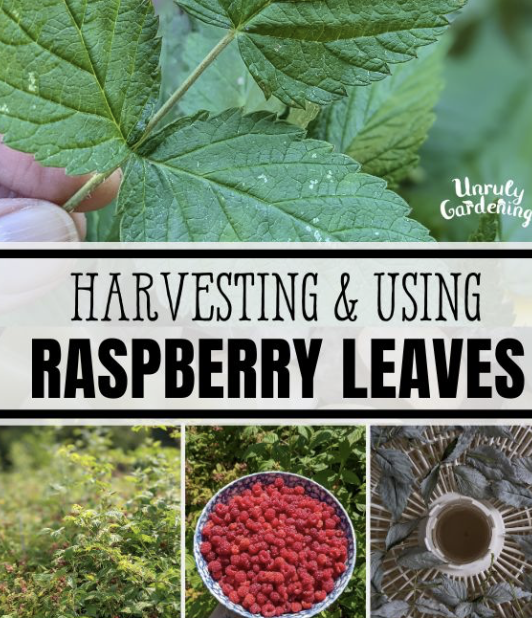
Red raspberry leaf comes from the leaves of the red raspberry plant (Rubus idaeus), not from the fruit itself.
The leaves contain:
-
Vitamin C
-
Vitamin E
-
Calcium
-
Magnesium
-
Potassium
-
Iron
-
Manganese
-
Polyphenols
-
Flavonoids
-
Tannins
These natural compounds have antioxidant activity that helps protect cells from oxidative stress.
A Long History of Traditional Use
Herbal traditions in Europe, North America, and parts of Asia have used raspberry leaf for hundreds of years.
Traditional herbalists have used raspberry leaf tea to support:
-
Digestive comfort
-
General wellness
-
Occasional menstrual discomfort
-
Women’s reproductive health
-
Overall nutrition
One of its best-known traditional uses is during the later stages of pregnancy. Some midwives have historically recommended raspberry leaf tea, although research has produced mixed results. Anyone who is pregnant should consult their healthcare provider before using herbal products.
What Does Research Say?
Scientists continue to investigate raspberry leaf because of its natural antioxidants and other plant compounds.
Studies have explored its potential role in:
-
Supporting antioxidant defenses
-
Maintaining normal digestive function
-
Supporting healthy inflammatory responses
-
Promoting general wellness
More high-quality human studies are needed before firm conclusions can be made about many traditional uses.
Easy Ways to Enjoy Raspberry Leaf
The most common preparation is herbal tea.
Simply place 1–2 teaspoons of dried raspberry leaves in a cup, pour hot water over them, and steep for 10–15 minutes before straining.
Other popular ways to use raspberry leaf include:
-
Blending it with peppermint or chamomile tea
-
Mixing it into herbal wellness blends
-
Using commercially prepared capsules
-
Purchasing professionally prepared tinctures from reputable herbal companies
Follow the directions on commercial products rather than attempting to make highly concentrated extracts at home.
Where Can You Buy It?
Red raspberry leaf is widely available from health food stores and reputable herbal companies.
You can find it as:
-
Loose dried leaves
-
Tea bags
-
Capsules
-
Tinctures
Some well-known suppliers include:
A Simple Herbal Tea Blend
For a refreshing herbal tea, combine:
-
2 teaspoons dried raspberry leaf
-
½ teaspoon dried peppermint (optional)
-
1 teaspoon lemon balm (optional)
Steep in hot water for 10–15 minutes. Add honey or lemon to taste if desired.
Final Thoughts
Red raspberry leaf has earned a respected place in traditional herbal practice because of its nutritional profile and long history of use. While many people continue to enjoy it as part of a healthy lifestyle, research is still evaluating many of the traditional claims associated with the herb. Enjoyed as a tea or culinary herb, raspberry leaf is a simple way to add natural plant compounds and pleasant flavor to your daily routine.
References
Leave a Reply