Reverse Osmosis Water: Are We Missing Minerals?
Meta description: Reverse osmosis and distilled water remove contaminants, but do they also remove minerals? Explore hydration, electrolytes, trace minerals and remineralization.
Is “Pure” Water Really Better?
Buy the minerals here
FACTS PAGE here
Watch my interview with Dr Pierre Kory and his wife Lisa here
I have been looking more closely at something most of us take for granted: the water we drink every day.
Reverse osmosis and distilled water are popular because they remove many contaminants. But there is another side of the story. These processes also remove much of the naturally occurring mineral content found in ordinary groundwater and spring water.
That raises an important question: Does removing everything from water make it healthier?
Water naturally contains minerals such as calcium, magnesium, potassium and bicarbonate. These minerals are important to the body’s normal electrolyte and acid-base balance.
The goal should not simply be water with the lowest possible TDS number. TDS tells us how much dissolved material is present, not whether those minerals are beneficial or harmful.
What Happens With Reverse Osmosis?
RO systems can remove a large percentage of dissolved minerals along with unwanted contaminants. Distillation also produces very low-mineral water.
That can be useful when the source water contains substances you want to remove.
But when minerals are removed, some people choose to remineralize their drinking water afterward.
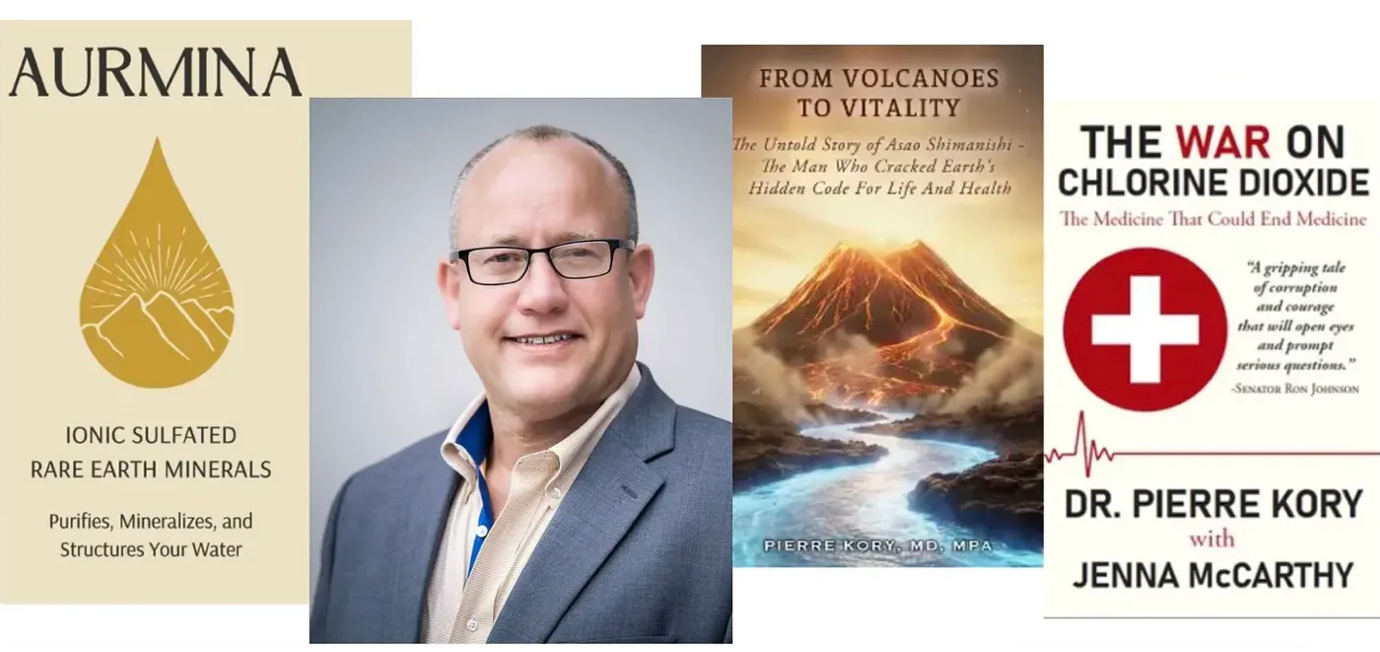
This is where products such as Aurmina, developed by Lisa and Dr. Pierre Kory, enter the conversation. Aurmina is described as a liquid mineral and water-treatment product derived from volcanic biotite mica. According to the product information, it contains ionic sulfate minerals and a broad spectrum of naturally occurring elements.
The company and its advocates say the product can help purify and remineralize water. Those claims should be evaluated independently, especially when they involve health benefits.
Minerals, Electrolytes and Hydration
Our bodies do not use water in isolation. Electrolytes such as sodium, potassium, calcium and magnesium help regulate fluid balance, nerves and muscles.
That does not mean ordinary RO or distilled water is automatically dangerous. For most people, minerals also come from food, and drinking water is only one source.
However, I think the mineral content of drinking water deserves more attention than it receives.
Natural spring water, groundwater and other sources generally contain dissolved minerals because water interacts with rock and soil as it moves through the environment.
That geological connection is fascinating.
The Mineral-Water Connection
One idea behind mineralized water is that minerals don’t simply “sit” in water. They influence its chemistry, pH, conductivity and interactions with other substances.
This is one reason I find the research and history surrounding volcanic minerals interesting.
But there is an important distinction between interesting chemistry and proven health outcomes. Claims that specially treated or “structured” water dramatically improves disease, reverses illness or provides unique cellular benefits require clinical evidence.
I am interested in the question, but I don’t think consumers should confuse marketing claims with established medical science.
What Should We Drink?
For me, the bigger lesson is simple: don’t assume that the lowest TDS automatically means the healthiest water.
If you use RO or distilled water, understand what the process removes. Look at your local water report, consider the mineral content, and choose a filtration or remineralization approach based on your actual water quality.
Water quality matters—but so does evidence.
I will continue looking at the research behind trace minerals, electrolytes, reverse osmosis, distilled water and remineralization, because something as basic as the water we drink deserves a closer look.
Disclaimer: This article discusses claims and theories surrounding water treatment and mineral supplementation. It is not medical advice, and products should not be used to treat or cure disease without appropriate professional guidance.
Leave a Reply