FRIENDS CAN BE JEALOUS
When I was in elementary school, there was an incident that stayed with me far longer than I realized at the time. In sixth grade, a German girl named Crista—someone I didn’t even know yet—decided she wanted to fight me. There was no clear reason, no argument, no history between us. It felt sudden and confusing, and I remember standing there trying to understand how someone could feel so much hostility toward a stranger. Looking back as an adult, I can see how envy and insecurity can quietly build in people, especially at that age, until it comes out as aggression. Girls, in particular, are often taught to compete silently rather than communicate openly, and envy can easily turn into cruelty. At the time, though, I internalized the experience. I wondered what I had done wrong simply by existing, by being visible, or by being myself. That moment planted an early awareness of how unfair and irrational social dynamics can be, especially when people project their own struggles onto someone else.
As I got older, that pattern of social discomfort evolved rather than disappeared. In middle school and high school, friends would often come to me with updates about what other people were supposedly saying about me. They’d repeat comments, judgments, or rumors under the guise of honesty, as if they were doing me a favor. For a while, I listened. I thought knowing what people said behind my back might help me understand or protect myself. But over time, I realized that this information only hurt me and served no constructive purpose. Worse, I began to notice that some friends seemed to enjoy delivering this gossip. There was a strange energy in it, a sense of importance or excitement in being the messenger of something mean. Eventually, I learned to draw a boundary and tell people directly that I didn’t want to hear what others were saying about me. If someone had an issue with me, they could tell me themselves. That decision was a turning point—it taught me that peace sometimes comes not from knowing everything, but from choosing what you allow into your mind. I WROTE SOME OF THIS HERE
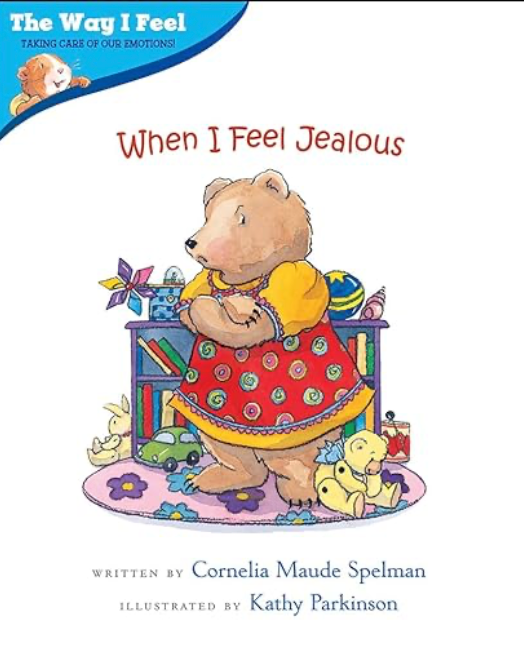
By the time I was in college, I was more aware of social dynamics, but still vulnerable to careless words. One moment stands out clearly. A friend told me that another girl didn’t like me. When I asked why, the response I got was, “Well, you know how you are—weird and stuff.” It was said casually, almost jokingly, but it landed hard. What hurt most wasn’t that a stranger disliked me; it was that a friend felt comfortable reducing me to a label and presenting it as a flaw. That moment forced me to confront how often people use “weird” as shorthand for different, nonconforming, or simply unapologetic. I realized that being “weird” often just means not bending yourself into shapes that make others comfortable. Still, hearing it framed as the reason I wasn’t likable reopened old insecurities I thought I had outgrown. EVEN CHILDREN’S BOOKS TRY TO TEACH THIS HERE
Over time, these experiences taught me something deeper about relationships, envy, and self-worth. I learned that not everyone who calls themselves a friend is careful with your feelings, and not everyone who dislikes you has a valid reason. Envy, insecurity, and discomfort with difference can make people act in unkind ways, sometimes without even realizing it. Most importantly, I learned that I don’t need to be universally liked to be whole or worthy. The real growth came from learning when to set boundaries, when to walk away, and when to trust my own understanding of who I am—regardless of the labels others try to assign.
Leave a Reply