 WHEN BULLIES ARE IN THE FAMILY
For much of my early life, my sisters were my buddies. We laughed easily, showed up for one another, and shared the kind of closeness that makes you believe blood really does mean loyalty. I trusted them. I assumed we were on the same side. That sense of safety began to fracture slowly, almost invisibly, after my father started showing clear preferential treatment to my two oldest sons. What should have been a joyful moment—celebrating children—became a fault line that split relationships I thought were unbreakable.
WHEN THE BULLY IS YOUR SISTER
The youngest of my sisters changed first. At the time, I couldn’t name what was happening. I only felt the shift: the tone, the distance, the subtle coldness that appeared where warmth used to be. Over time, I learned she had become envious and resentful, and instead of addressing those feelings directly, she chose a quieter, more corrosive path. Every time she saw me, she would run to the middle sister afterward, spinning stories, reframing events, and gossiping in ways that undermined me. It took me years to recognize this pattern—not because I was naïve, but because it is deeply disorienting to realize someone you love is working against you behind your back.
One of the first moments that now stands out clearly happened during a family trip to Palm Springs. My entire family of six was driving to meet the larger family when it suddenly began to snow. Concerned about safety and accommodations, I called my youngest sister to ask a simple, practical question: could she help confirm that we had a hotel room secured? Her response was immediate and flat. “I can’t help. I’m working.” It didn’t ring true. And it wasn’t. She made up a story to avoid helping me. Confused, I called my other sister—who helped immediately, without hesitation. At the time, I brushed it off. Looking back, I see it as an early, unmistakable signal: a decision had already been made not to be supportive.
As the years passed, the pattern hardened. The youngest sister stopped bringing her children to my home—nearly twenty years ago. She missed every birthday party. Every milestone. Every opportunity for connection. That kind of absence isn’t accidental. It’s a grudge held long enough to calcify into identity. What makes it harder is that she has never been able—or willing—to articulate why. Silence became her weapon, distance her justification.
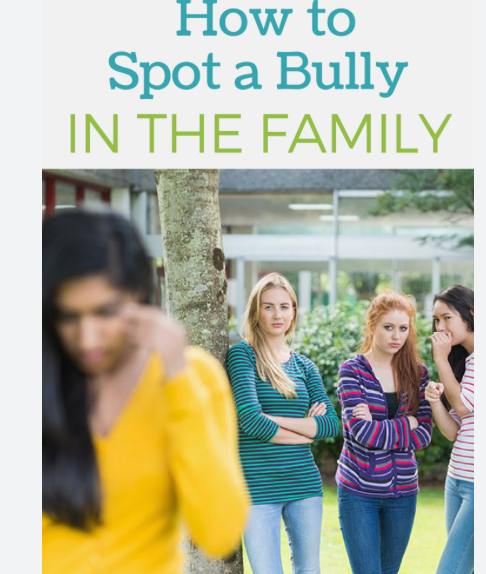
My mother, seeing the pain this caused, even paid for therapy for both of us. But therapy only works when there is self-awareness, and that awareness never came. There was no acknowledgment of harm, no curiosity about impact, no responsibility taken for the negativity she brought into our lives. Instead, the story remained fixed: she was wronged, and therefore entitled to punish. Here is a sample book to recognize the family bully.
Family bullying is uniquely damaging because it hides behind shared history. It’s not loud. It’s not obvious. It erodes from the inside out. It affected me deeply, but it didn’t stop with me. My four children felt the absence, the rejection, the unspoken tension. Children notice who shows up—and who doesn’t. They learn from what is modeled. When they see an adult refuse to communicate, refuse to resolve conflict, and hold grudges for decades, they absorb those lessons whether we want them to or not. While there are blessings to being bullied, when family does it at this older age, its awful and I wrote about it here.
And her children are learning too. They are learning that avoidance is easier than honesty. That resentment can replace conversation. That loyalty is conditional and love is something you withhold to punish others. These lessons don’t stay contained; they echo forward.
What this experience has taught me is that bullies don’t always look like bullies. Sometimes they are family members who smile in public and wound in private. Sometimes they rewrite history instead of facing it. And sometimes the hardest lesson is accepting that no amount of patience, therapy, or goodwill can force someone to choose growth.
The real work, I’ve learned, is protecting yourself and your children from inherited dysfunction—and choosing to model something better: accountability, openness, and the courage to speak instead of sabotage.
Leave a Reply