When people come to me, they are rarely curious anymore. They are tired. Most have already tried everything they were told to try. Medications. Procedures. Protocols. Appointments that ended with new prescriptions but no real explanations. By the time they begin exploring natural healing, it is usually not because they were looking for alternatives—it’s because conventional options have been exhausted. That context matters.
Natural healing is often misunderstood because it is approached last, not first. By then, the body is overwhelmed, trust is shaken, and people are emotionally depleted. When improvement happens in that state, it feels surprising—even suspicious—to those who were told nothing more could be done.
But what I’ve observed over time is this: natural approaches often work not because they are aggressive, but because they remove pressure from a system that has been under strain for too long.
Modern medicine excels at intervention. Natural healing excels at support.
The body is constantly working to restore balance. When it is flooded with chemicals, stress hormones, inflammatory triggers, and immune confusion, that work becomes harder. Natural approaches often succeed because they focus on reducing that burden instead of adding to it.
This doesn’t mean pharmaceuticals are always wrong. They can be lifesaving. But when they become the only lens through which healing is viewed, the body’s broader needs are overlooked.
Natural healing tends to ask different questions.
Instead of What symptom needs to be stopped?
It asks, What is overwhelming this body?
Instead of What drug manages this condition?
It asks, What does the body need to regain stability?
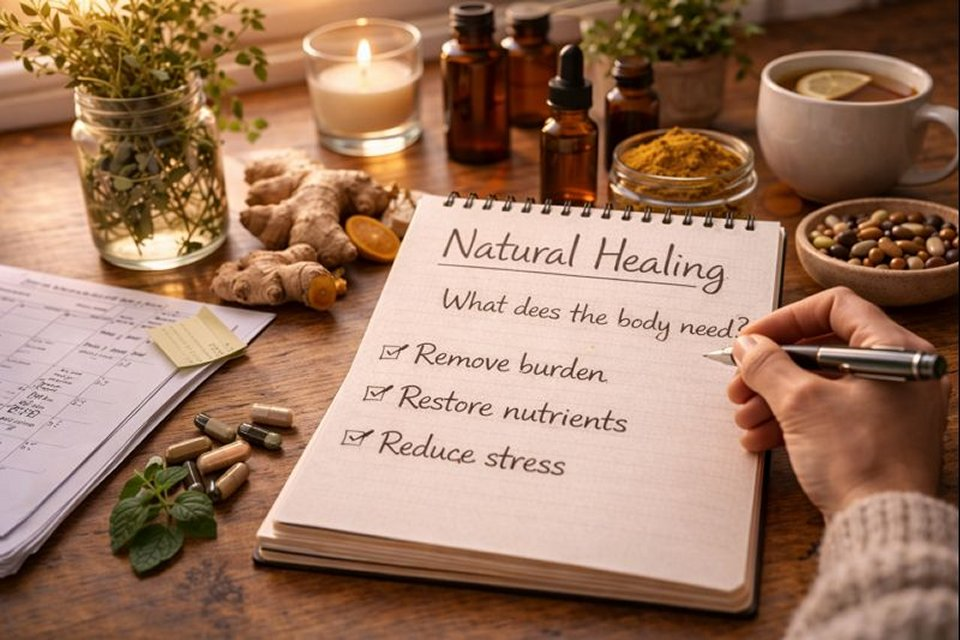
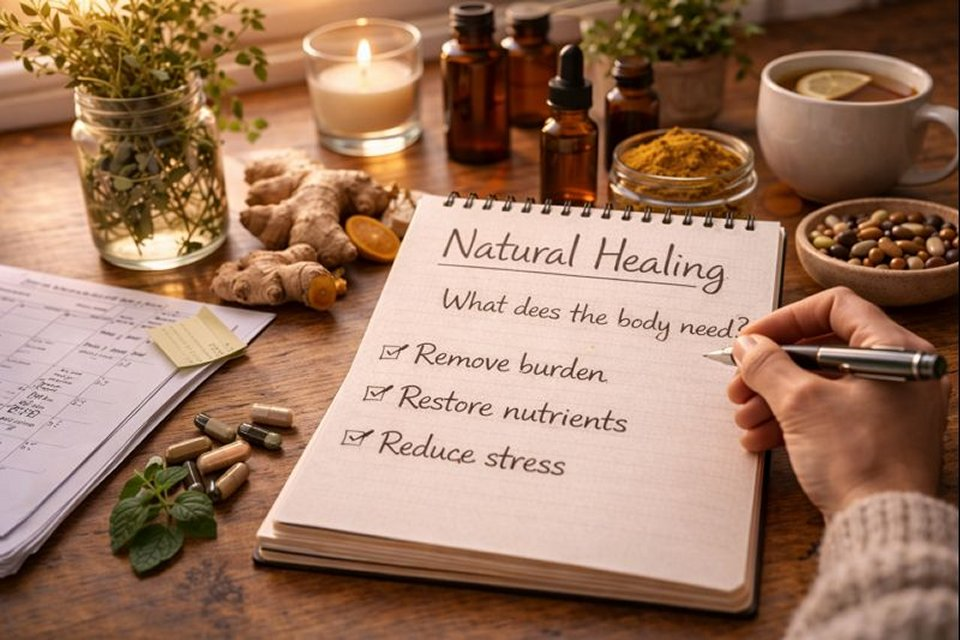
When people reduce toxic exposure, restore nutrients, calm the nervous system, support immune function, and address gut health, the body often responds—not because it was forced to, but because it finally has room to.
Another reason natural healing works when nothing else did is timing.
People are often more willing to listen to their bodies after they have been dismissed elsewhere. They pay closer attention. They become consistent. They stop expecting quick fixes and start supporting long-term change. That shift alone can make a difference.
I have also noticed that natural healing respects individuality.
There is no single protocol that fits everyone. What supports one person may overwhelm another. Natural approaches tend to move slower, adjust more carefully, and respond to feedback rather than forcing compliance. That flexibility matters when dealing with complex, layered illness.
Faith plays a role here too.
Not faith in a product or method, but faith in the body’s design. Faith that healing is not an act of rebellion against medicine, but a cooperation with how the body was created to function. When fear subsides and trust is restored, the body often responds differently.
I don’t see natural healing as a rejection of science. I see it as an expansion of it.
When nothing else has worked, it is often because the body has been managed instead of supported. Natural healing shifts that relationship. It gives the body a chance to do what it has been trying to do all along.
That doesn’t guarantee outcomes. Nothing does.
But it explains why, for so many people, healing finally begins when pressure is removed and support is restored.
Leave a Reply