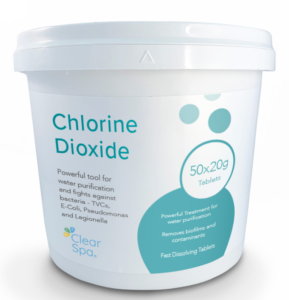
Chlorine dioxide (ClO₂) is a powerful oxidizing compound that has been used for more than a century in sanitation, water treatment, and industrial processes. First identified in the early 1800s, its practical applications expanded significantly during the 20th century when scientists recognized its effectiveness as a disinfectant, deodorizer, and microbial control agent. Today, chlorine dioxide is widely used in municipal water treatment, food processing sanitation, medical sterilization environments, and agricultural industries such as the commercial flower trade.
One figure frequently associated with modern stabilized chlorine dioxide technology is Howard Alliger, an American chemist and microbiologist. During the late 20th century, Alliger conducted extensive research on chlorine dioxide and related oxidizing compounds. His work focused on creating stable delivery systems that allowed chlorine dioxide to be generated safely and used effectively in controlled environments. Through his research and patents, Alliger helped expand the industrial use of stabilized chlorine dioxide products in sanitation and odor-control applications.
Chlorine Dioxide in the Flower Industry
The cut-flower industry relies heavily on sanitation and microbial control to preserve freshness during storage and transport. Fresh flowers are extremely sensitive to bacteria and fungi that grow in water and on plant surfaces. These microorganisms can block the stems’ vascular tissue, reducing water uptake and causing flowers to wilt prematurely.
Chlorine dioxide solutions are sometimes used in this industry to:
-
Disinfect water used in flower hydration systems
-
Reduce bacterial growth in storage containers
-
Extend vase life by keeping stems free of microbial buildup
-
Control odors in refrigerated storage rooms
By reducing microbial contamination, chlorine dioxide helps maintain the quality and appearance of flowers during shipping and display. The compound is valued because it works effectively at low concentrations and does not form some of the heavier chlorinated by-products associated with traditional chlorine treatments.
Government Oversight and Regulation
In the United States, chlorine dioxide is regulated for specific uses by agencies such as the U.S. Environmental Protection Agency. The EPA approves chlorine dioxide for certain industrial and water-treatment applications, including drinking water disinfection and food-processing sanitation when used according to strict guidelines. It has also been used for disease, check here.
Government agencies also monitor safety because chlorine dioxide is a strong oxidizing chemical that must be handled properly. Concentrated gas forms can be hazardous if improperly stored or used, so industrial systems are designed to generate the compound in controlled amounts where it is needed rather than transporting large quantities.
NASA and Chlorine Dioxide
Chlorine dioxide has also been used in specialized sanitation systems connected with space research. NASA has studied and used chlorine-based disinfectants, including chlorine dioxide technologies, for microbial control in closed environments. In spacecraft and ground testing facilities, maintaining sterile water systems and preventing microbial growth is critical. It is a redox molecule like this
Research involving chlorine dioxide has supported goals such as:
-
Disinfecting spacecraft water supplies
-
Controlling biofilm growth in closed water systems
-
Sanitizing equipment used in controlled environments
Closed habitats like spacecraft present unique challenges because bacteria can multiply quickly in recycled air and water systems. Oxidizing disinfectants such as chlorine dioxide help manage these risks when engineered correctly.
Scientific and Industrial Significance
The work of researchers like Howard Alliger contributed to making chlorine dioxide more practical and stable for commercial use. Over the past several decades, improved delivery systems have allowed the compound to be applied in food safety, agriculture, water purification, and environmental sanitation.
However, it is important to note that chlorine dioxide is approved primarily for industrial and environmental uses, not as a general consumer health treatment. Regulatory agencies emphasize that it should only be used in properly controlled and approved applications.
From preserving fresh flowers to supporting water sanitation in advanced environments, chlorine dioxide has developed into a versatile chemical tool. Its history illustrates how chemical discoveries, scientific research, and government oversight combine to shape how powerful industrial compounds are safely used in modern society.
Leave a Reply