- Dill: The Ancient Herb with Modern Benefits
- Dill Weed: Health Benefits and Easy Recipes
- Why Dill Has Been Valued for Thousands of Years
-
Dill: The Ancient Herb with Modern Benefits
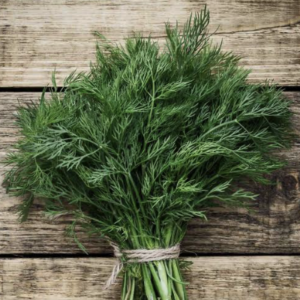
Dill (Anethum graveolens) is one of the world’s oldest culinary and medicinal herbs. Its feathery green leaves and flavorful seeds have been used for more than 5,000 years. Ancient cultures prized dill not only for its fresh taste but also for its traditional wellness uses. Today, scientists continue to study its natural compounds and potential health benefits.
A Herb with Ancient Roots
Dill is believed to have originated in the eastern Mediterranean and parts of western Asia. It later spread throughout Europe, the Middle East, India, and North Africa through trade and agriculture.
The ancient Egyptians used dill in traditional herbal preparations. Greek physicians, including Hippocrates, mentioned dill in writings about herbal medicine. The Romans valued dill as both a seasoning and a symbol of prosperity. In Scandinavia, Eastern Europe, and Russia, dill became a staple herb that is still widely used today. Search here and here.
What Makes Dill Special?
Dill contains many nutrients and plant compounds, including:
- Vitamin A
- Vitamin C
- Calcium
- Potassium
- Magnesium
- Iron
- Folate
- Flavonoids
- Terpenes
- Essential oils, including carvone and limonene
These natural compounds have antioxidant properties that help protect cells from oxidative stress.
Traditional Uses
For centuries, herbalists have used dill for a variety of traditional purposes.
Some cultures have traditionally used dill to:
- Support healthy digestion
- Ease occasional bloating and gas
- Promote a healthy appetite
- Freshen breath
- Encourage restful sleep
- Support nursing mothers, although evidence for this use is limited
These are traditional uses rather than proven medical treatments, and scientific evidence varies depending on the specific claim.
What Does Research Show?
Researchers continue to investigate dill because it contains numerous biologically active compounds.
Laboratory and animal studies suggest dill extracts may have antioxidant, antimicrobial, and anti-inflammatory properties. Scientists have also explored whether dill may support healthy cholesterol and blood sugar levels. While some early findings are promising, larger human studies are needed before firm conclusions can be drawn.
How People Around the World Use Dill
Dill remains popular in many cuisines.
In Sweden, dill flavors potatoes and seafood.
In Germany, it is used in pickles and soups.
In India, dill leaves are cooked with lentils, vegetables, and flatbreads.
In Greece, dill is added to salads, yogurt sauces, and spinach dishes.
In Eastern Europe, it is commonly paired with cabbage, cucumbers, fish, and eggs.
Easy Dill Recipes
One of the simplest ways to enjoy dill is by making fresh dill tea.
Add one to two teaspoons of fresh or dried dill leaves to a cup of hot water. Let the mixture steep for about 10 minutes before straining.
Fresh dill also makes an excellent addition to:
- Cucumber salad
- Potato salad
- Homemade yogurt dip
- Roasted vegetables
- Grilled salmon
- Chicken soup
- Scrambled eggs
You can also blend fresh dill with olive oil, garlic, lemon juice, and parsley to create a flavorful herb dressing.
Growing Dill at Home
Dill is one of the easiest herbs to grow.
It prefers full sunlight, well-drained soil, and regular watering. Most plants are ready for harvesting about six to eight weeks after planting.
The leaves are harvested throughout the growing season, while the seeds are collected after the flower heads dry naturally.
Final Thoughts
Dill has remained popular for thousands of years because it combines outstanding flavor with a rich history in traditional herbal practices. From ancient Egypt to modern kitchens, this versatile herb has earned a place in cuisines around the world.
Although research continues to explore its potential health benefits, dill is already an excellent way to add nutrients, antioxidants, and fresh flavor to everyday meals. Whether sprinkled over vegetables, brewed into tea, or mixed into homemade sauces, dill is a simple reminder that some of nature’s best ingredients have stood the test of time.
Dill Has Been Valued Thousands of Years
Dill: The Ancient Herb with Modern Benefits Dill Weed: Health Benefits and Easy Recipes Why Dill Has Been Valued for Thousands of Years Dill: The Ancient Herb with Modern Benefits…
Leave a Reply