- Sarracenia: The Amazing Purple Pitcher Plant
- Sarracenia Benefits and Traditional Uses
- Purple Pitcher Plant: History and Research
Sarracenia: The Purple Pitcher Plant with a Fascinating History
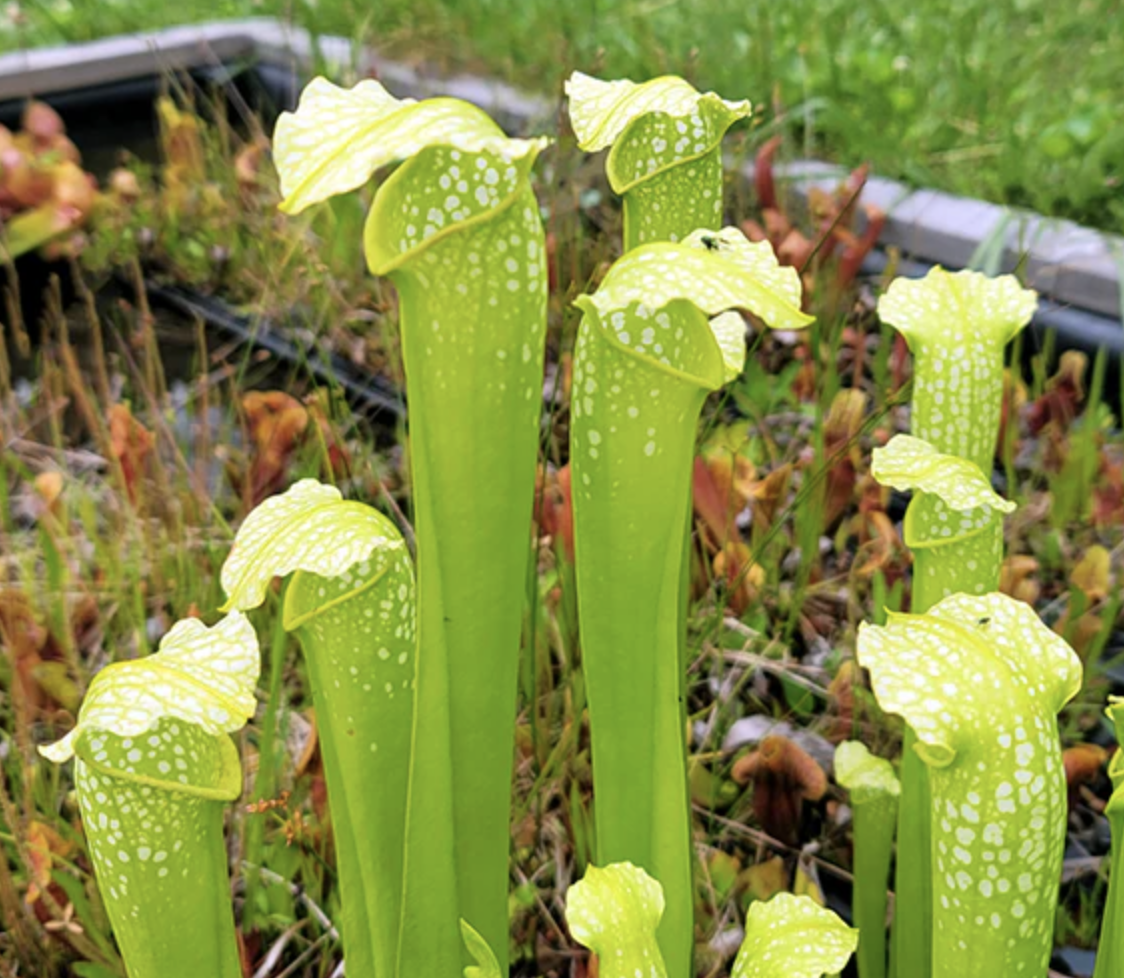
The purple pitcher plant (Sarracenia purpurea) is one of North America’s most unusual medicinal plants. Best known as a carnivorous plant, it captures insects inside its pitcher-shaped leaves to obtain nutrients. Long before scientists studied this remarkable species, Indigenous peoples were using it as part of their traditional medicine.
Today, researchers continue to investigate the plant’s unique compounds and their potential biological activity.
Where Does Sarracenia Grow?
Sarracenia purpurea grows naturally in nutrient-poor bogs and wetlands throughout:
- Canada
- The northeastern United States
- The Great Lakes region
- Parts of the southeastern United States
The plant belongs to the Sarraceniaceae family and thrives in acidic soils where few other plants can survive.
Traditional Uses
Several Indigenous communities, including the Cree, Mi’kmaq, Algonquin, and Wolastoqiyik (Maliseet), have traditionally used Sarracenia as an herbal medicine.
Historical records describe preparations made from the leaves or roots, usually as hot-water infusions or decoctions. Different communities used the plant for different purposes, including respiratory illnesses, symptoms associated with diabetes, and general wellness. These traditional practices continue to inspire scientific research today.
How Is It Prepared?
Traditionally, the medicinal part of the plant was prepared using water.
Fresh or dried leaves were steeped or gently boiled to produce a tea-like extract. Modern researchers often prepare extracts using water or ethanol in laboratory studies to isolate and analyze the plant’s natural compounds.
What Compounds Does It Contain?
Scientists have identified several naturally occurring compounds in Sarracenia, including:
- Flavonoids
- Phenolic acids
- Triterpenes
- Betulinic acid
- Ursolic acid
- Morroniside
Many of these compounds are being studied because they have shown antioxidant or other biological activities in laboratory experiments.
What Benefits Are Researchers Studying?
Modern research has focused on several areas.
Scientists have investigated whether extracts from Sarracenia may support healthy glucose metabolism in laboratory models after learning about its traditional use by the Cree Nation. Early laboratory studies have also examined antioxidant activity, cytoprotective effects, and activity against certain microorganisms. These findings are preliminary and do not demonstrate that the plant treats diseases in people.
Researchers are also exploring individual plant compounds to better understand how they interact with cells and tissues.
Why Is This Plant So Unique?
Unlike most medicinal herbs, Sarracenia is carnivorous.
Its pitcher-shaped leaves collect rainwater and attract insects. The trapped insects provide nutrients that help the plant survive in nutrient-poor bogs.
This unusual adaptation has fascinated botanists for centuries and makes Sarracenia one of the most recognizable native plants in North America.
Ongoing Research
Interest in Sarracenia continues to grow.
Universities in Canada have published studies examining its traditional uses and chemistry. Researchers are working with Indigenous communities to better understand how traditional knowledge can guide future scientific discoveries while respecting cultural heritage.
Learn More
If you would like to read the original research, these articles provide a good starting point:
- Journal of Natural Products: Antidiabetic Compounds from Sarracenia purpurea
- BMC Complementary Medicine: Cytoprotective Activity of Sarracenia purpurea
- PubMed: Antimycobacterial Triterpenes from Sarracenia purpurea
Final Thoughts
The purple pitcher plant is much more than a fascinating carnivorous species. It has a long history in Indigenous medicine and continues to attract scientific interest because of its unique chemistry. Although laboratory studies have identified promising biological activities, more human research is needed to determine its safety and effectiveness for specific health conditions. Its story highlights how traditional knowledge and modern science can work together to explore nature’s remarkable diversity.
Leave a Reply